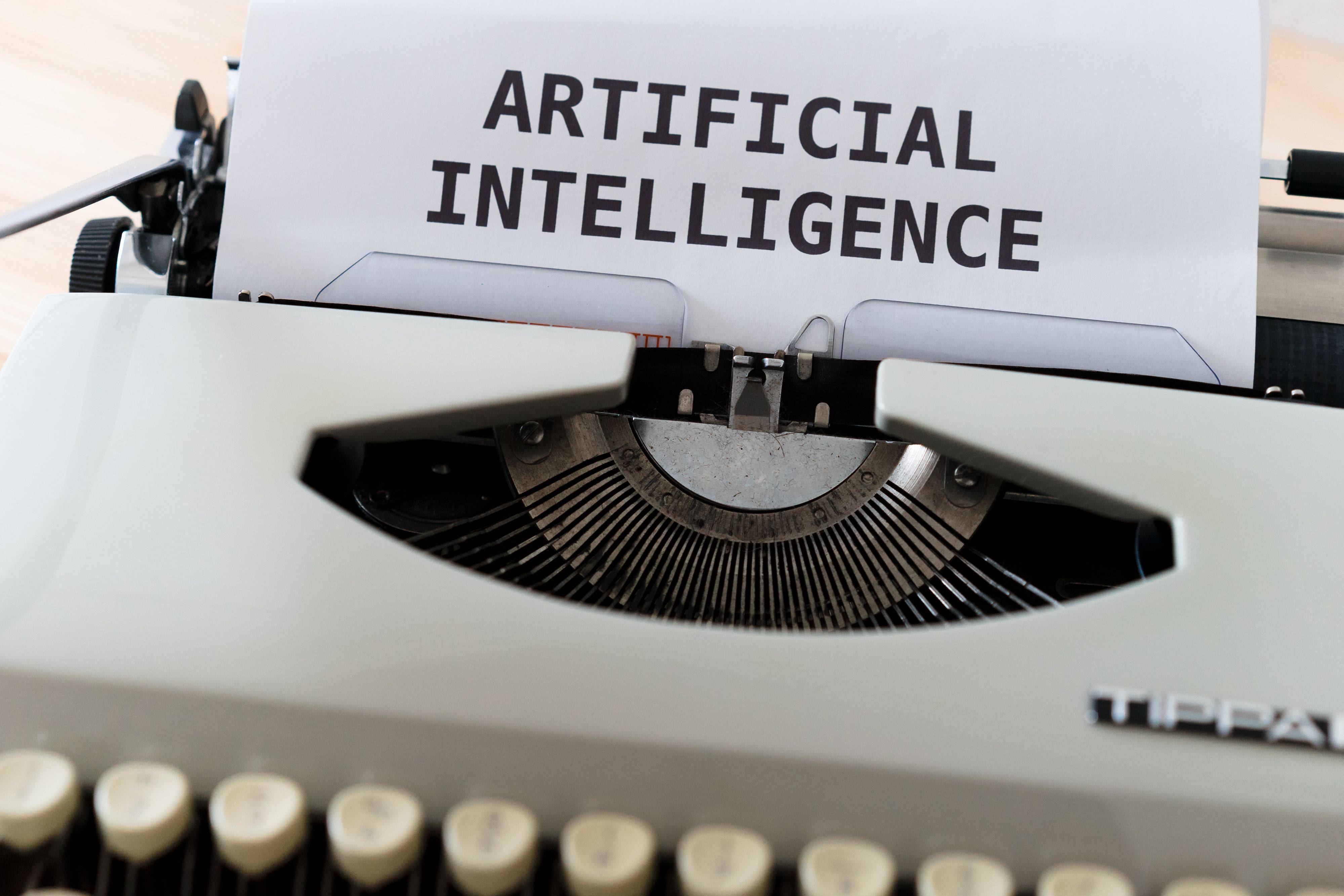
Digital marketing has changed significantly over the past few years. Businesses now use websites, social media, search engines, email marketing, online advertising, and content marketing to connect with customers. However, the growing amount of digital data and the increasing demand for personalized customer experiences have created new challenges for marketers.
This is where AI in digital marketing is becoming increasingly important.
Artificial intelligence is helping marketers analyze data, create content, understand customer behavior, automate repetitive tasks, improve advertising campaigns, and deliver more personalized experiences. While AI is not replacing the creativity and strategic thinking of marketers, it is providing powerful tools that can help marketing teams work more efficiently.
From small businesses to large organizations, the use of AI marketing tools is changing how brands attract, engage, and retain customers.
In this article, we explore how artificial intelligence is transforming digital marketing and what businesses need to know about the future of marketing technology.
What Is AI in Digital Marketing?
AI in digital marketing refers to the use of artificial intelligence technologies to support marketing activities and decision-making.
AI systems can process large amounts of information and identify patterns that may be difficult to detect manually.
AI can be used in areas such as:
Content creation.
Search engine optimization.
Social media marketing.
Email marketing.
Customer service.
Advertising.
Data analysis.
Marketing automation.
The goal is not simply to automate everything. Instead, businesses can use AI to improve efficiency while allowing human marketers to focus on strategy, creativity, and relationship building.
1. AI Is Changing Content Creation
Content is one of the most important parts of digital marketing.
Businesses create:
Blog posts.
Social media captions.
Email campaigns.
Video scripts.
Advertisements.
Website copy.
AI content creation tools can help marketers generate ideas, create drafts, summarize information, and develop different versions of marketing messages.
This can save time and help marketers overcome creative blocks.
However, AI-generated content should always be reviewed and edited by humans. Marketers need to ensure that content is accurate, original, relevant, and aligned with the brand's voice.
2. AI Is Improving Customer Data Analysis
Businesses collect information from many sources, including:
Websites.
Social media.
Email campaigns.
Advertising platforms.
Customer interactions.
Analyzing all this information manually can be difficult.
AI can help marketers identify patterns in customer behavior and provide insights into:
Customer preferences.
Buying behavior.
Website activity.
Campaign performance.
These insights can help businesses make more informed marketing decisions.
3. AI Is Supporting Personalized Marketing
Customers increasingly expect brands to provide relevant experiences.
Instead of sending the same message to every customer, businesses can use AI to analyze customer information and provide more personalized communication.
For example, businesses may personalize:
Email recommendations.
Product suggestions.
Advertising messages.
Website experiences.
Personalization can make marketing communication more relevant and improve customer engagement.
4. AI Is Improving Digital Advertising
Online advertising involves making decisions about:
Target audiences.
Advertising budgets.
Ad placements.
Creative content.
Campaign performance.
AI can analyze advertising data and help marketers identify patterns.
AI-powered advertising tools may assist with:
Audience targeting.
Campaign optimization.
Budget allocation.
Performance analysis.
This can help businesses improve their advertising strategies.
However, marketers should continue monitoring campaigns carefully and ensure that advertising decisions align with business objectives.
5. AI Is Transforming Search Engine Optimization
Search engine optimization requires marketers to understand what users search for and how search engines evaluate content.
AI SEO tools can assist marketers with:
Keyword research.
Content analysis.
Search intent analysis.
Competitor research.
Content optimization.
AI can help identify opportunities, but SEO still requires high-quality content, strong website performance, useful information, and a good user experience.
Businesses should not rely on automatically generated content alone to achieve long-term search visibility.
6. AI Is Improving Social Media Marketing
Social media marketers manage several responsibilities every day.
These may include:
Creating content.
Scheduling posts.
Responding to messages.
Monitoring engagement.
Analyzing performance.
AI social media marketing tools can help marketers generate content ideas, identify trends, analyze audience behavior, and automate certain activities.
This allows marketers to spend more time developing creative strategies and engaging with their audiences.
7. AI Is Supporting Chatbots and Customer Service
Customers often want quick answers to their questions.
AI-powered chatbots can help businesses respond to common customer inquiries at any time.
Chatbots may assist with:
Frequently asked questions.
Product information.
Business hours.
Order updates.
Basic customer support.
However, complex or sensitive customer issues may still require human assistance.
The best customer service strategy often combines automation with human support.
8. AI Is Improving Email Marketing
Email marketing remains an important digital marketing channel.
AI can help marketers analyze customer behavior and improve:
Subject lines.
Content recommendations.
Sending times.
Audience segmentation.
For example, businesses may use data to determine when different customer groups are most likely to engage with emails.
This can help improve the performance of email campaigns.
9. AI Can Help Identify Marketing Trends
Digital trends change quickly.
A marketing strategy that worked last year may not produce the same results today.
AI can process large amounts of data and help identify patterns in:
Customer behavior.
Search trends.
Social media activity.
Industry developments.
This can help marketers respond more quickly to changes in the market.
10. AI Is Improving Marketing Automation
Marketing automation involves using technology to automate repetitive marketing tasks.
AI can support automation in areas such as:
Lead nurturing.
Customer segmentation.
Email communication.
Campaign analysis.
Customer follow-up.
Automation can help businesses maintain consistent communication with customers while reducing repetitive manual work.
11. AI Can Improve Lead Generation
Lead generation is an important objective for many businesses.
AI can help businesses identify potential customers by analyzing:
Website behavior.
Online interactions.
Customer profiles.
Previous engagement.
AI tools can also help businesses organize and prioritize leads.
However, businesses must ensure that customer data is collected and used responsibly.
12. AI Helps Marketers Make Data-Driven Decisions
Traditional marketing decisions were often based on assumptions and limited information.
Today, businesses have access to more data than ever before.
AI can help marketers analyze campaign results and identify:
What is working.
What is underperforming.
Which audiences are responding.
Where resources should be allocated.
This supports more informed marketing decisions.
Challenges of Using AI in Digital Marketing
Despite its benefits, AI also presents challenges.
These include:
Inaccurate information.
Privacy concerns.
Overdependence on automation.
Lack of originality.
Poor-quality AI-generated content.
Businesses should use AI responsibly and ensure that human professionals continue to review important marketing activities.
AI should support marketing teams rather than eliminate human creativity and strategic thinking.
Skills Marketers Need in the Age of AI
Modern digital marketers can benefit from developing skills such as:
AI tool usage.
Data analysis.
Prompt writing.
Content strategy.
SEO.
Marketing automation.
Critical thinking.
The ability to combine AI tools with marketing knowledge can give professionals a significant advantage.
How ProjectAndResearch.com Can Help
Digital marketing and technology are becoming increasingly connected. Businesses that want to remain competitive need to understand how digital tools can improve marketing, data management, customer communication, and business operations.
Through digital transformation, technology solutions, and professional digital services, organizations can explore better ways to use technology to achieve their goals.
Businesses interested in digital solutions, marketing technology, software development, data management, and digital transformation can explore the professional services available through ProjectAndResearch.com.
Conclusion
Artificial intelligence is transforming digital marketing by helping businesses create content, analyze data, personalize customer experiences, improve advertising, automate repetitive tasks, and make more informed decisions.
However, successful AI marketing is not about replacing human marketers. Creativity, strategy, emotional intelligence, critical thinking, and human understanding remain extremely important.
The future of digital marketing will likely involve collaboration between human professionals and intelligent technologies. Businesses and marketers that learn how to use AI effectively while maintaining quality, authenticity, privacy, and human oversight will be better positioned to succeed in an increasingly competitive digital environment.
For organizations looking to improve their marketing performance and digital operations, understanding and adopting appropriate AI marketing tools can be an important step toward building a more efficient and data-driven marketing strategy.