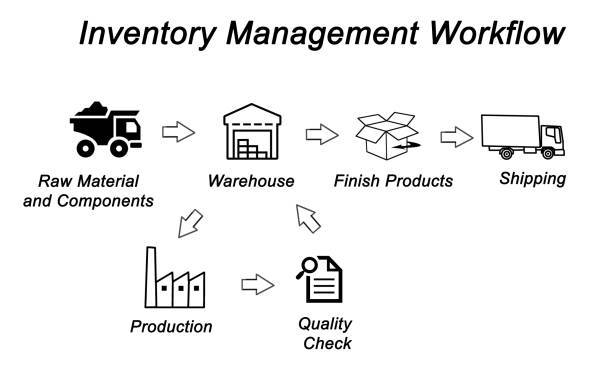
Managing inventory is one of the most important responsibilities for businesses that buy, sell, manufacture, or distribute products. Whether a business operates a retail store, pharmacy, supermarket, warehouse, restaurant, manufacturing company, or e-commerce platform, effective inventory management is essential for maintaining smooth operations.
Unfortunately, many businesses still rely on notebooks, spreadsheets, and manual stock counts to manage their inventory. While these methods may appear simple and affordable, they can become difficult to manage as the business grows. Manual inventory processes can lead to stock shortages, overstocking, inaccurate records, product losses, and poor decision-making.
Inventory management software provides a digital solution that helps businesses track, organize, and manage their stock more efficiently. With the right inventory management system, businesses can monitor products, track sales, manage purchases, and gain better visibility into their stock levels.
In this article, we explore how inventory management software can help businesses reduce stock problems and improve operational efficiency.
What Is Inventory Management Software?
Inventory management software is a digital system designed to help businesses manage products and stock throughout their operations.
Depending on the system, it may include features for:
Product registration.
Stock tracking.
Sales management.
Purchase management.
Supplier management.
Warehouse management.
Low-stock alerts.
Stock reports.
Instead of relying on separate notebooks or spreadsheets, businesses can manage inventory information through a centralized digital platform.
1. Improve Stock Visibility
One of the biggest challenges businesses face is not knowing exactly how much stock they have available.
A business may have products stored in:
A retail shop.
A warehouse.
A second branch.
A storage facility.
When records are managed manually, it can be difficult to determine the total quantity available.
An inventory management system provides a clearer overview of stock levels and allows authorized users to access inventory information more efficiently.
2. Reduce Stock Shortages
Stock shortages can lead to missed sales and dissatisfied customers.
When a popular product runs out of stock, the business may lose customers to competitors.
Inventory software can help businesses monitor stock levels and identify products that are approaching their minimum quantity.
With timely information, businesses can reorder products before they run out.
This makes stock planning more proactive.
3. Prevent Overstocking
While stock shortages are a problem, having too much inventory can also create challenges.
Overstocking can:
Tie up business capital.
Increase storage costs.
Lead to product damage.
Cause products to expire.
Reduce available cash flow.
Inventory management software can provide information about product movement and sales trends.
This helps businesses make more informed purchasing decisions.
4. Track Product Movement
Businesses need to know how products move through their operations.
An inventory management system can help track:
Products received.
Products sold.
Products returned.
Products transferred.
Products damaged.
This creates a clearer record of inventory activity and can help identify unusual changes.
5. Improve Purchase Management
Purchasing the right quantity of products is essential for efficient inventory management.
A digital inventory system can help businesses review:
Previous purchases.
Current stock levels.
Supplier information.
Product demand.
This information can support better purchasing decisions.
Instead of ordering based solely on assumptions, business owners can use available inventory data to guide their decisions.
6. Manage Multiple Locations
Businesses with multiple branches or warehouses may find inventory management particularly challenging.
A centralized inventory management system can help track stock across different locations.
Managers may be able to determine:
What each branch has in stock.
Which location has excess stock.
Which location needs more products.
This can make stock transfers and distribution more organized.
7. Reduce Human Errors
Manual stock records are vulnerable to human errors.
For example, employees may:
Record the wrong quantity.
Forget to record a sale.
Enter duplicate information.
Miscalculate stock balances.
Automated inventory management software can reduce repetitive manual calculations and improve record accuracy.
However, businesses should still conduct periodic physical stock checks to verify digital records.
8. Improve Sales and Inventory Integration
When inventory and sales information are connected, businesses can update stock levels more efficiently.
For example, when a product is sold, the system may automatically update the available inventory.
This reduces the need to manually adjust stock records after every transaction.
Integrated systems can help businesses maintain more accurate inventory information.
9. Track Damaged and Returned Products
Products may sometimes be:
Damaged.
Returned by customers.
Sent to suppliers.
Removed from sale.
If these activities are not properly recorded, inventory records may become inaccurate.
Inventory software can help businesses document these changes and maintain a more accurate view of available stock.
10. Improve Supplier Management
Businesses often work with several suppliers.
A stock management software system can help organize supplier information, including:
Supplier names.
Contact information.
Products supplied.
Purchase history.
Prices.
This makes it easier for businesses to compare suppliers and manage purchasing relationships.
11. Generate Useful Inventory Reports
Inventory reports can provide valuable information about business performance.
Reports may include:
Current stock levels.
Fast-moving products.
Slow-moving products.
Stock value.
Purchase history.
Sales trends.
These insights can help business owners make better decisions about pricing, purchasing, and product selection.
12. Improve Warehouse Management
Warehouses can become difficult to manage when products are not properly organized.
Warehouse management software can help businesses track:
Product locations.
Stock quantities.
Incoming deliveries.
Outgoing products.
Better organization can reduce the time employees spend searching for products.
13. Improve Customer Service
Inventory accuracy directly affects customer service.
Customers want to know whether products are available before making a purchase.
When a business has accurate stock information, employees can provide more reliable answers.
This helps reduce situations where customers order products that are actually unavailable.
14. Protect Business Capital
Inventory represents a significant investment for many businesses.
Poor inventory management can result in money being lost through:
Expired products.
Damaged stock.
Theft.
Overstocking.
Unrecorded losses.
A digital inventory management system can improve visibility and help businesses identify unusual inventory changes.
Common Challenges of Manual Inventory Management
Businesses that rely heavily on manual inventory processes may experience:
Inaccurate stock records.
Frequent stock shortages.
Overstocking.
Product losses.
Slow stock counting.
Poor purchasing decisions.
These challenges often become more serious as the business expands.
How to Choose the Right Inventory Management System
Before selecting inventory management software, businesses should consider:
Number of products.
Number of locations.
Sales volume.
Warehouse requirements.
Reporting features.
Ease of use.
Scalability.
Data security.
The system should match the size and specific operational needs of the business.
How ProjectAndResearch.com Can Help
Digital technology can help businesses improve their operations and manage important information more efficiently.
A well-designed inventory management system can help organizations reduce manual work, improve stock visibility, organize purchasing, and make better use of business data.
Businesses seeking support with software solutions, digital transformation, data management, and technology systems can explore the professional services available through ProjectAndResearch.com.
Conclusion
Inventory management software can help businesses improve stock control, reduce shortages, prevent overstocking, track product movement, manage suppliers, and make better purchasing decisions.
As a business grows, manual inventory processes can become increasingly difficult to manage. A reliable digital inventory management system provides a more organized way to monitor stock and improve operational efficiency.
However, technology is most effective when combined with proper inventory procedures, trained employees, regular stock verification, and responsible management.
For businesses looking to reduce stock problems, improve accuracy, and gain better control over their products, investing in reliable inventory management software can be an important step toward building a more efficient and scalable operation.