Introduction
Managing properties involves several responsibilities that can quickly become difficult when handled manually. Property owners and managers may need to manage tenants, rent payments, maintenance requests, property records, inspections, expenses, and communication with multiple people at the same time.
For landlords and property management companies with only a few properties, notebooks and spreadsheets may appear sufficient. However, as the number of properties and tenants increases, manual systems can become inefficient, time-consuming, and prone to errors.
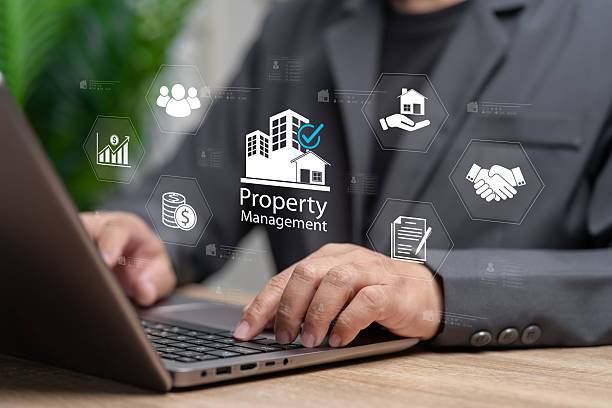
Property management software provides a digital solution that helps property owners, real estate companies, landlords, and property managers organize their operations more efficiently. By centralizing property information and automating repetitive tasks, a property management system can improve record keeping, rent collection, tenant communication, and maintenance management.
In this article, we explore how property management software can simplify real estate administration and help property owners manage their properties more effectively.
What Is Property Management Software?
Property management software is a digital system designed to help property owners and managers manage real estate operations from a centralized platform.
Depending on the software, it may include features for:
- Property registration.
- Tenant management.
- Rent collection.
- Lease management.
- Maintenance requests.
- Property inspections.
- Expense tracking.
- Communication.
- Financial reporting.
The goal is to reduce manual administrative work and make property management more organized.
1. Centralize Property Information
Property managers often handle information about multiple properties.
Important records may include:
- Property addresses.
- Property types.
- Unit details.
- Ownership information.
- Tenant information.
- Lease agreements.
- Maintenance history.
When this information is stored in different files, retrieving records can be difficult.
A centralized property management system allows authorized users to access important property information more efficiently.
This saves time and improves organization.
2. Improve Tenant Management
Managing tenants is a major responsibility for landlords and property managers.
A digital system can help organize information such as:
- Tenant names.
- Contact details.
- Occupied units.
- Lease information.
- Rent payment history.
- Maintenance requests.
Having a complete tenant record makes it easier to manage relationships and respond to tenant needs.
3. Simplify Rent Collection
Rent collection can be challenging when property managers handle multiple tenants.
Manual processes may result in:
- Missed payment records.
- Delayed confirmations.
- Difficulty tracking outstanding rent.
- Disputes about payment history.
Property management software can help administrators record payments and monitor rent status.
Depending on the system, tenants may also be able to receive payment reminders and confirmations.
This can make rent administration more efficient.
4. Track Outstanding Payments
A property management system can provide an overview of:
- Paid rent.
- Unpaid rent.
- Part payments.
- Overdue balances.
This makes it easier for property managers to identify outstanding payments and follow up appropriately.
Accurate payment records can also help reduce confusion between tenants and property owners.
5. Manage Lease Agreements
Lease agreements contain important information about the relationship between property owners and tenants.
A digital property management system can help organize:
- Lease start dates.
- Expiry dates.
- Rental amounts.
- Renewal information.
- Tenant records.
Automated reminders can help property managers monitor important dates and begin renewal discussions at the appropriate time.
6. Improve Maintenance Management
Property maintenance is an important part of property management.
Tenants may report issues such as:
- Plumbing problems.
- Electrical faults.
- Damaged fixtures.
- Security concerns.
- Other maintenance needs.
A digital maintenance management system can help property managers record and track these requests.
Managers can monitor:
- The reported issue.
- The property involved.
- The date reported.
- The assigned technician.
- The status of the repair.
This creates a more organized maintenance process.
7. Improve Communication with Tenants
Effective communication is essential for successful property management.
Property managers regularly need to communicate about:
- Rent payments.
- Maintenance.
- Inspections.
- Lease renewals.
- Property announcements.
Digital systems can help organize communication and make it easier to keep records of important interactions.
Clear communication can improve tenant satisfaction and reduce misunderstandings.
8. Track Property Expenses
Property owners need to understand how much they spend on managing their properties.
Expenses may include:
- Repairs.
- Maintenance.
- Utilities.
- Security.
- Cleaning.
- Administrative costs.
Property management software can help organize expense records and provide a clearer view of property-related costs.
This supports better financial planning.
9. Manage Multiple Properties More Efficiently
Managing one property is different from managing dozens or hundreds of properties.
As the portfolio grows, manual management becomes increasingly difficult.
A property management system can help organize information by:
- Property.
- Building.
- Unit.
- Tenant.
This makes it easier to manage a large portfolio from one centralized platform.
10. Improve Property Inspection Records
Property inspections can help owners and managers monitor the condition of their properties.
A digital system can help record:
- Inspection dates.
- Property conditions.
- Identified issues.
- Maintenance recommendations.
Keeping organized inspection records can help property managers monitor recurring problems and plan maintenance more effectively.
11. Generate Useful Reports
Property managers need accurate information to make informed decisions.
A property management system can generate reports on:
- Rental income.
- Outstanding rent.
- Occupancy.
- Expenses.
- Maintenance activities.
- Property performance.
These reports can help owners understand the financial and operational performance of their properties.
12. Improve Data Security
Property management involves sensitive information about tenants, owners, properties, and financial transactions.
A digital system should include appropriate security measures such as:
- User authentication.
- Access control.
- Secure data storage.
- Regular backups.
Only authorized users should have access to sensitive information.
Benefits of Property Management Software
A reliable property management system can help property owners and managers achieve:
- Better record keeping.
- Faster rent tracking.
- Improved tenant communication.
- More organized maintenance.
- Better financial reporting.
- Reduced administrative workload.
- Improved operational efficiency.
The right software can make property management more convenient and scalable.
Common Challenges of Manual Property Management
Property managers who rely heavily on manual systems may experience:
- Lost documents.
- Incorrect payment records.
- Missed lease renewal dates.
- Delayed maintenance.
- Poor communication.
- Difficulty managing multiple properties.
Digital systems can help reduce many of these challenges.
How to Choose the Right Property Management System
Before choosing property management software, consider:
- Number of properties.
- Number of tenants.
- Rent management features.
- Maintenance tracking.
- Reporting tools.
- Data security.
- Ease of use.
- Scalability.
The best system should match the specific needs of the property owner or management company.
How ProjectAndResearch.com Can Help
Digital transformation can help real estate businesses and property managers improve efficiency and organize their operations.
The right technology solution can help businesses manage information, automate repetitive tasks, improve communication, and make better use of operational data.
Organizations seeking support with software solutions, digital systems, data management, and technology consulting can explore the services available through ProjectAndResearch.com.
Conclusion
Property management software can transform the way landlords, property owners, and real estate companies manage their properties and tenants.
From rent collection and tenant records to maintenance requests, lease management, expense tracking, and reporting, a centralized property management system can reduce administrative work and improve operational efficiency.
As property portfolios grow, relying entirely on notebooks, paper files, and scattered spreadsheets can create unnecessary challenges. Investing in the right digital solution can help property managers stay organized, improve tenant service, protect important records, and make better business decisions.
For modern landlords and real estate professionals, property management software is more than a convenience. It is an important tool for building a more organized, efficient, and scalable property management operation.